Protecting processing equipment from unwanted ferrous material is an important consideration for businesses operating automated conveyor systems. In Jamkhed, agriculture, food processing, engineering, recycling, packaging, plastic, chemical, ceramic, and mineral-related operations may handle materials that require continuous transportation. During conveying, iron and steel contaminants can unintentionally become part of the material stream. A suitable permanent suspension magnet Manufacturer in Jamkhed can help industries establish continuous overhead magnetic separation. Bhagwandas Magnet & Sons Co., established in 1984 and based in Ahmedabad, Gujarat, manufactures industrial magnetic equipment for demanding material-handling environments.
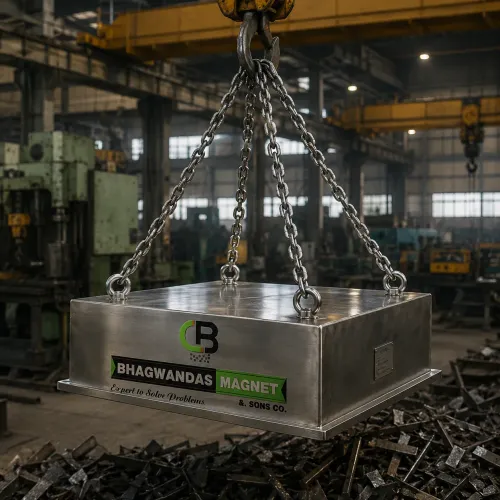
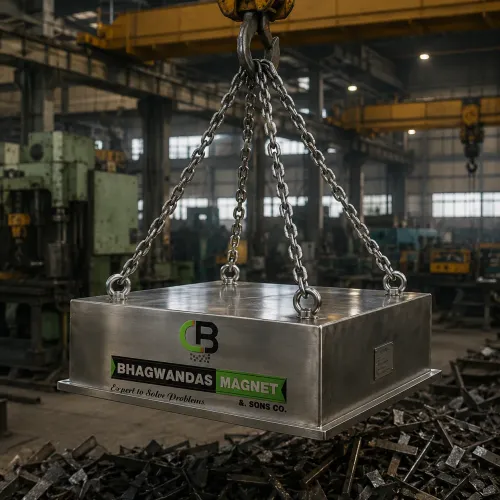
What is a permanent suspension magnet? It is an overhead magnetic separator designed to remove ferrous objects from bulk material moving along a conveyor. Its permanent magnetic assembly creates a continuous magnetic field. When iron or steel contaminants enter this field, they are attracted toward the magnet, while non-magnetic material continues along the conveyor.
This operating principle makes the equipment useful for continuous production. The conveyor can keep moving while the separator performs its magnetic function, reducing the need for frequent production stoppages. In applications involving crushers, grinders, mixers, screens, feeders, and other machinery, removing tramp metal upstream can provide an additional level of equipment protection.
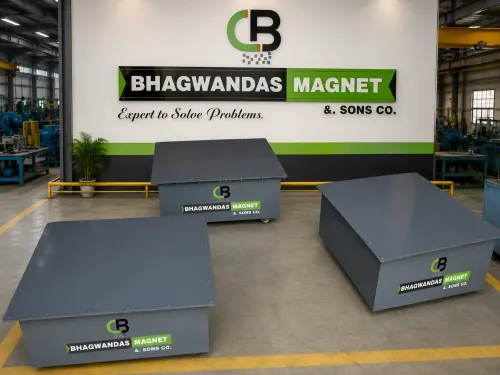
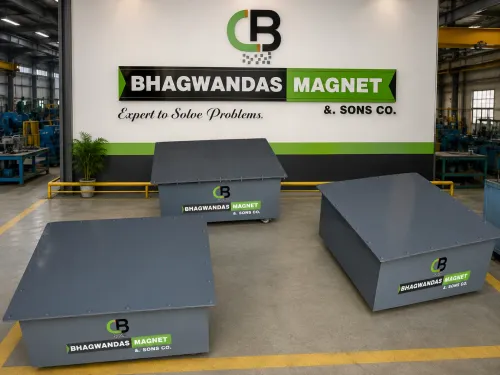
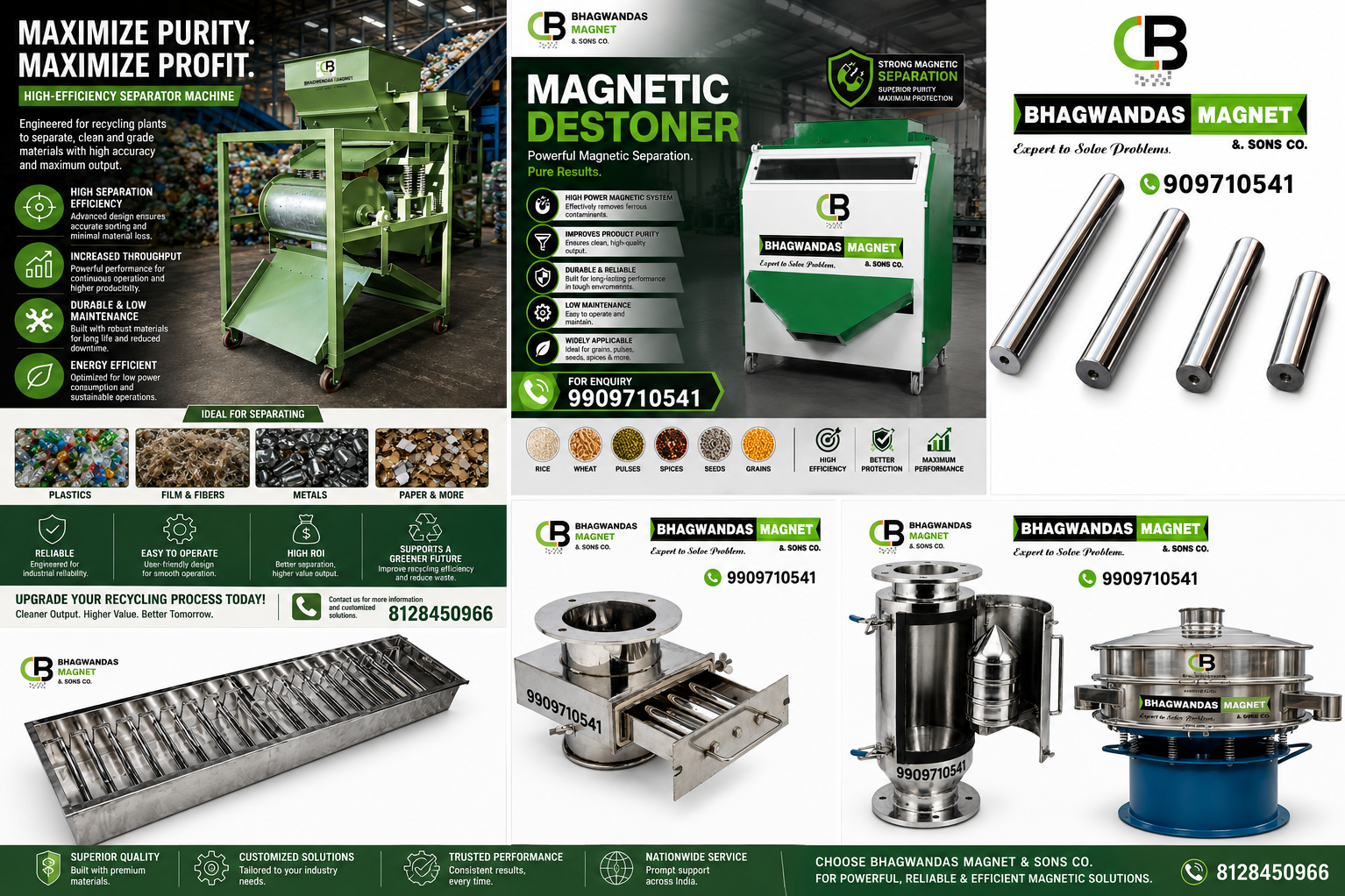
Bhagwandas Magnet & Sons Co. is an established permanent suspension magnet Manufacturer with manufacturing expertise dating back to 1984. Its Ahmedabad, Gujarat operations combine precision engineering, modern manufacturing, heavy-duty construction, quality assurance, and industrial innovation. These manufacturing capabilities help the company serve industries requiring dependable magnetic separation. Equipment designed for appropriate operating conditions can provide low maintenance requirements and long service life.
The applications extend across several sectors. Mining and mineral processing facilities can use overhead magnets before crushing and screening stages. Cement plants can integrate magnetic separators into bulk-material conveyors to help protect processing equipment. Recycling and steel plants may need heavy-duty magnetic systems for mixed materials. Agriculture and food processing facilities can use magnetic separation as part of contamination-control procedures. Chemical, pharmaceutical, plastic, ceramic, foundry, and power plant operations can also use permanent magnetic equipment when ferrous contamination presents a process concern.
Automation provides another important benefit. Instead of depending entirely on workers to inspect moving material, the permanent suspension magnet provides continuous magnetic separation. This can reduce manual intervention and support a more consistent production cycle. Protecting machinery from tramp metal may also help reduce avoidable maintenance events and interruptions, supporting higher productivity.
Permanent magnets provide an energy-efficiency advantage because their magnetic force does not require continuous electrical energization. This allows the magnetic field to remain active without constantly using electricity to generate it. For businesses focused on operating efficiency, this can be a useful characteristic.
Selecting the correct separator requires attention to conveyor width, belt speed, material burden depth, installation height, product characteristics, expected contaminant size, and environmental conditions. These factors influence separation performance.
Businesses seeking a reliable permanent suspension magnet Manufacturer in India can consider Bhagwandas Magnet & Sons Co. for its manufacturing experience since 1984, Ahmedabad-based expertise, precision engineering, modern manufacturing, quality assurance, and customer satisfaction. Its industrial magnetic solutions help Jamkhed industries strengthen automation, protect machinery, improve productivity, and support dependable long-term operations.
Keywords